High-End Oven & Range Repair
in Irvine & Orange County
Same-day service for professional ranges, dual-fuel models, and built-in wall ovens diagnosed and repaired by specialists who work with these systems daily.
 Service call fee waived with completed repair
12-month warranty
OEM parts
Service call fee waived with completed repair
12-month warranty
OEM parts 5.0/5
Google Rating
20+k
Appliances Serviced
10+k
Satisfied Customers
Common high-end cooking issues solved

Cavity stays cold or never reaches the set temperature.

Hot spots, pale tops, or burnt edges across a single rack.

Cavity overshooting or falling well below the display reading.

Repeated clicking, weak flame, or a burner that will not light.

Door sagging, not sealing, or the lock stuck after a cleaning cycle.

Digital display showing a technical fault sequence.
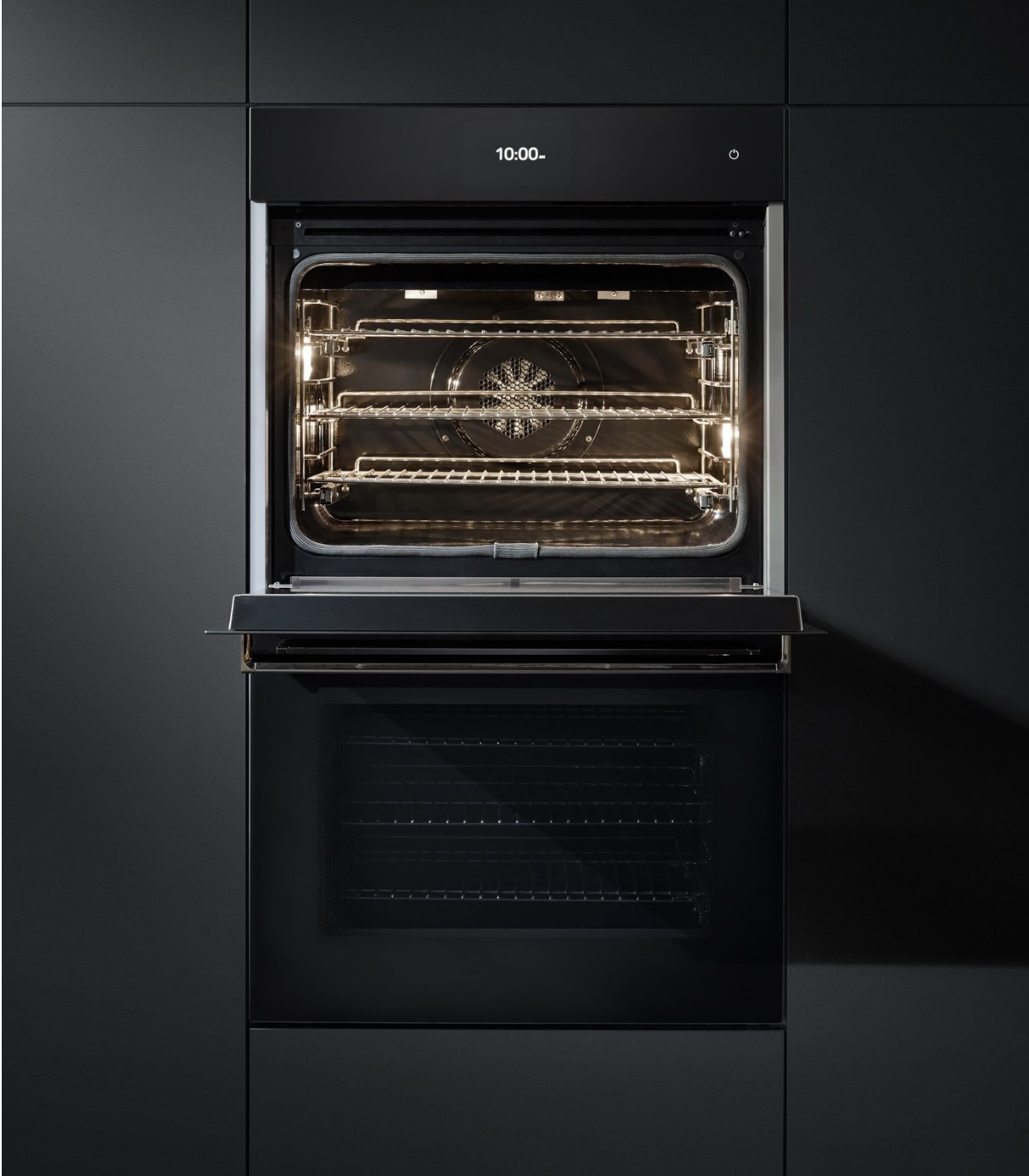
Brand-specific technical mastery for high-end cooking systems.








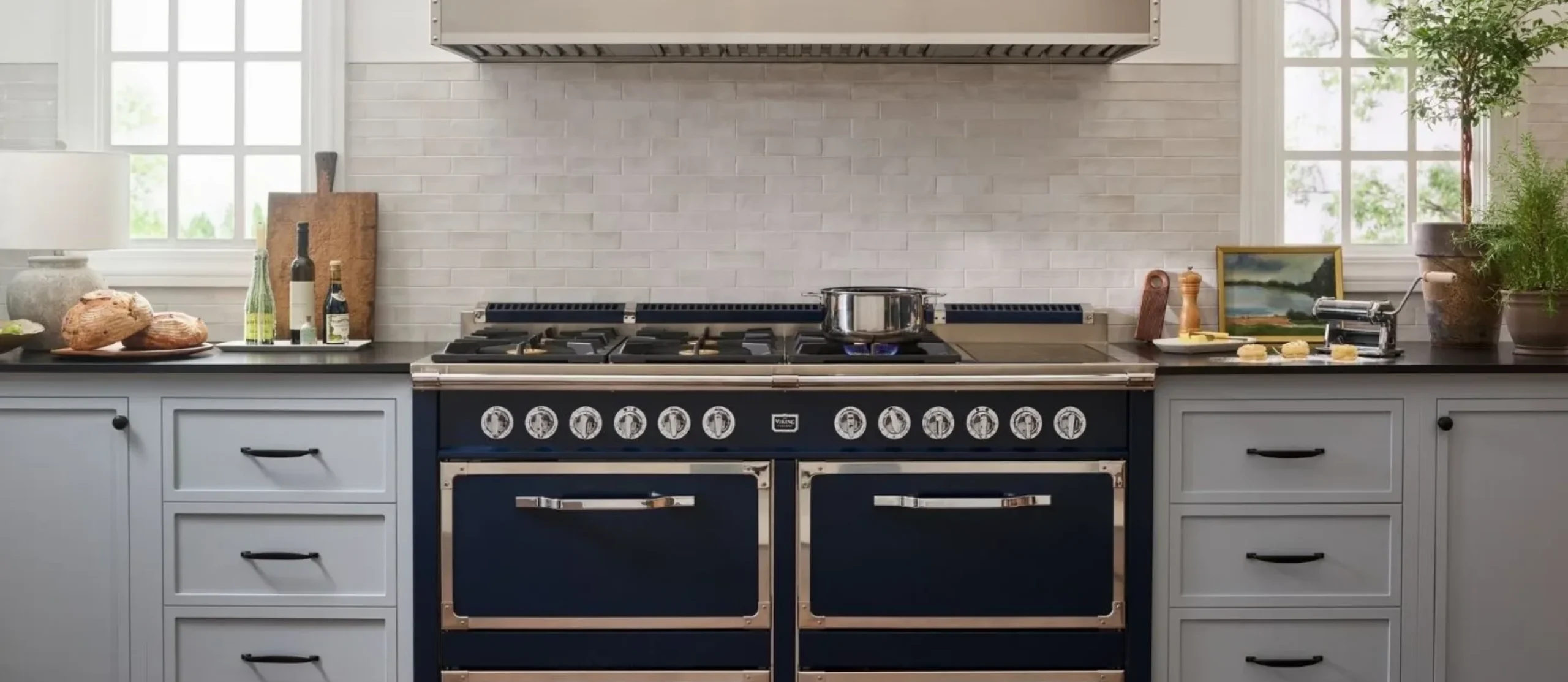
Freestanding 36- to 60-inch units with sealed or open burners, brass valves, and a full-size gas cavity. Common across Wolf Gas Range, Viking Professional, and Thermador Pro Harmony.
Gas surface burners paired with an electric convection cavity for tighter baking control. Common across Wolf Dual Fuel, Monogram Professional, and Thermador Pro Grand.
Cabinet-depth units with a flush or standard installation, in gas, electric, or induction configurations. Common across KitchenAid, Bosch Benchmark, and Miele.
Built-in cavities set into a tall cabinet or stacked column, with convection, meat probes, and self-clean cycles. Common across Wolf M Series, Miele, and Monogram.
Wall units pairing convection with microwave or steam assist in a single cavity. Common across Miele, Thermador, and Bosch.
Standalone and combi-steam cavities with water reservoirs, plumbed lines, and dedicated descaling cycles. Common across Miele, Wolf, and Thermador.

Wolf, Viking, and Thermador professional ranges use brass valves, dedicated orifices, and sealed ignition assemblies rated for high BTU output. We verify gas pressure, flame characteristics, and burner alignment rather than treating a weak flame as a simple igniter swap.

Monogram, Bosch, and KitchenAid cavities balance multiple elements, fans, and probes to hold a set temperature. We test live sensor readings against actual cavity temperature to find whether the fault sits in the sensor, the element, or the control board.

Wall ovens sit in tight cutouts surrounded by finished cabinetry, and professional ranges slide between stone and custom panels. We use floor mats, panel-protection techniques, and heavy-duty lifts to remove units without scratching hardwood, custom tile, or surrounding millwork.

Cooking appliances rely on precisely matched igniters, elements, thermostats, and door seals rated for the exact model. We install only original OEM components to protect your unit's performance, longevity, and warranty.

Need Oven or Range Service?
Our licensed, insured experts are ready to dispatch to
your Orange County home.
My range has an oven fault and a burner problem at the same time. Is that one visit or two?
Usually one. A range is a single appliance with a shared control system, so we diagnose both sides during the same visit and quote them together. Only a part that has to be ordered would bring us back.
My oven says it reached temperature, but the food is coming out undercooked. Why?
That gap usually means the cavity is not actually at the displayed temperature. A drifting sensor, a weakening element, or a failing door seal all let the control believe the oven is calibrated while real cavity temperature runs low. We measure actual heat before adjusting anything.
My burner clicks but will not light. Is that dangerous?
It should not be left running. Repeated clicking with no flame means gas is being released without ignition, so turn the burner off and give us a call. The cause is often a soiled or cracked igniter, a misaligned burner cap, or a valve issue, and each is a different repair.
Do you work on professional ranges over 48 inches?
Yes, we do. Wide professional ranges from Wolf, Viking, and Thermador are a regular part of our work, including units with griddles, French tops, and double cavities.
My oven door locked during self-clean and will not open. Can you fix it?
Usually, yes. A door that stays locked after a cleaning cycle typically points to the lock motor, the door switch, or a thermal fault that stopped the cycle from completing. We release the door and repair the cause rather than forcing the latch.
Can you recalibrate an oven that runs hot or cold?
Yes, we can. Most high-end ovens allow a calibration offset through the control panel, and we set it against a measured cavity temperature rather than the display. If the drift is too wide to correct by offset, that points to a sensor or element fault instead.
Do you service steam ovens with plumbed water lines?
Yes, we do. Plumbed and reservoir-fed steam ovens are both in scope, including descaling faults, blocked steam generators, and water intake errors.
What Our Customers Say
Real feedback from homeowners who trust us with their appliances - quality service, honest pricing, and reliable results
Need High-End Appliance Repair?
Let us know the brand and what's happening with your appliance. We'll schedule a visit, diagnose the actual cause of the problem, and recommend the right repair.